
Lesson planning, classroom management, writing papers, OH MY! These tasks have caused me a fair share of tears, but I’ve also done a ton of research to navigate through them. Despite knowing what to do or not to do, I sometimes still end up making mistakes – it’s all part of the learning process, right?
Researching information has always been a scary prospect for me. The deadlines, the need for credible sources, and don’t even get me started on those paywalled search engines! I’ve been in school for 20 years straight, spending more time as a student than as a teacher.
Research has been a constant companion throughout my educational journey – from student to student teacher, teacher, and now a student again. You might think I’m exaggerating, but research pops up in various forms and approaches. It’s a never-ending learning experience that has led me to ask countless questions about the process. If you’re unsure about researching, let me share my “teacherble moment” with you.
How Do I Know What I Need To Research?
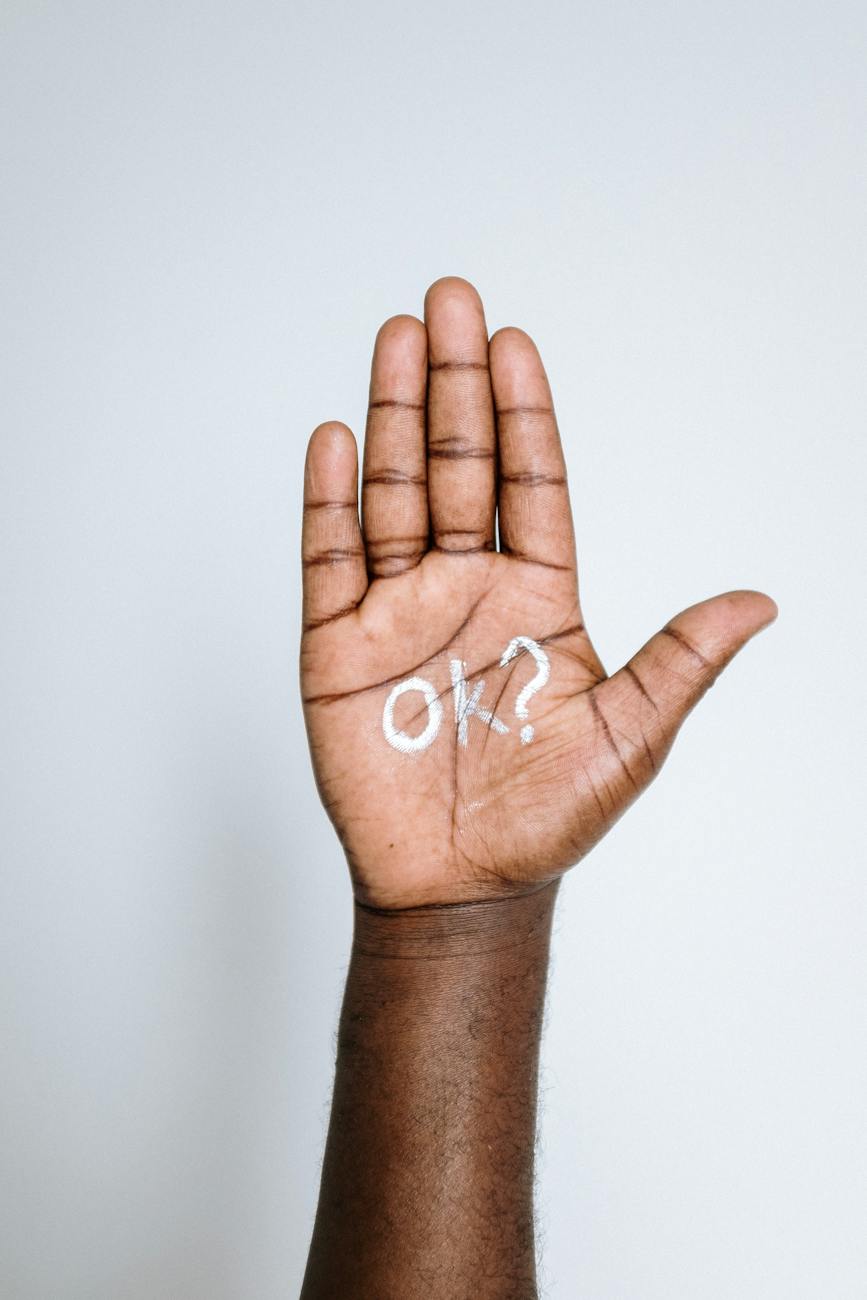
Alright, let’s get one thing straight – everything can be researched. Don’t believe that you won’t find information to help you out as a teacher. I cover a lot of informational texts with my high school students, and let me tell you, the topics can be all over the place – from sleep paralysis to coffee beans. Before beginning such lessons, my knowledge of these topics was pretty minimal. All I knew was that they both scared me! But when you’re gearing up to teach a specific subject, it’s crucial to plan ahead and do your research.
First things first, you need to settle on a topic. Not knowing what you’re focusing on can drag out your research process, making it take longer to sift through sources and ultimately delaying the reason you started researching in the first place.
For example, let’s say you are tackling teaching informational text on sleep paralysis. You would want to begin by crafting an outline that covers all the aspects you want to explore about sleep paralysis. “Are those spooky figures just a figment of the imagination? Is this whole thing a common occurrence?”
If you find yourself struggling to formulate questions about a topic, it is a clear indicator that it is time to venture into researching and expand your knowledge.
Where Do I Find Sources?

I used to think Wikipedia was created by God himself, but turns out it was actually made by Jimmy Wales and Larry Sanger. And no, I didn’t use Wikipedia to fact-check that! I did happen to conduct some web searching.
The internet is packed with tons of helpful sites that can assist you. It doesn’t matter if you’re preparing for lesson planning, crafting papers, or dealing with issues like sleep paralysis. This method of research is not only effective but can also save you time. When searching for information, it’s crucial to be as specific as possible. It’s likely that there are already ongoing discussions related to the topic you’re exploring.
If you prefer a hands-on approach to research, libraries offer an extensive catalog of resources, primarily in the form of books.
Educators often turn to peer-reviewed journal articles as our main sources, using databases like JSTOR, ProQuest, EBSCOhost, and Google Scholar. These platforms allow for refined search options, enabling you to filter results by publication year. Yet, it’s surprising how .edu sites aren’t always recognized for their value. I recently discovered some useful info for my ENGL 602 project on one of these websites. Educational institutions can offer fantastic resources for lesson plans and classroom management tips, but remember to explore beyond them.
Look into blogs by knowledgeable individuals, engage with experts in the field, and interact with alternative research outlets like videos. Non-traditional sources can provide just as much insight as the conventional ones.
How Do I Determine General Credibility and Appropriateness of My Research?

When conducting research, you have to ensure that your sources are credible. It is important to seek information from individuals who are seasoned and knowledgeable in the topic, and have conducted thorough research themselves.
As an educator, I understand the importance of utilizing sources from experts in the field. For example, if researching lesson plans and writing, it would not be ideal to rely on information from individuals who are truck drivers or bankers. Instead, I would prefer to hear from educators who have first-hand experience and expertise in the subject matter.
Gathering information from those who have a deep understanding of the topic based on their own experiences shows credibility. By selecting sources from experts, you can ensure that the information you are gathering is accurate, reliable, and relevant to your research.
Ensuring the appropriateness of your source largely depends on the topic at hand. Some research topics may be inherently challenging, which means the sources you encounter may also pose some complexities in their content. It is important to select sources that use clear and mature language, as terminology plays a significant role in understanding the information provided.
Furthermore, it is essential to maintain grammatical accuracy in your own writing. Proper structure and coherence are indicators of credibility and professionalism. If an author fails to present information in a grammatically sound manner, it may raise doubts about the reliability of their content.
Ultimately, it is up to you to evaluate the credibility and suitability of your sources. By critically analyzing and engaging with the material, you can differentiate between sources that can be trusted and those that may not meet your research standards. Trust in your own judgment and skills to discern which sources are appropriate for your work.
How Do I ACTUALLY Incorporate Sources Into My Writing?

When incorporating sources into your writing, it is crucial to ensure proper citation. There are two primary approaches to effectively cite a source within your text: you can either rephrase the information, acknowledging the original author by expressing their ideas in your own words, or directly quote the text word-for-word. Remember to attribute the author by citing their name, work, and the precise page number from which you extracted the information.
Here’s an example of an in-text citation in MLA format in your own words:
The article “Understanding Sleep Paralysis,” by Ashley Smith, discusses the rare nature of sleep paralysis, noting that it affects approximately 1 in 20 individuals (42).
Here’s an example of an in-text citation in MLA format that is directly cited:
In the article “Understanding Sleep Paralysis” written by Ashley Smith, she mentions that “Sleep paralysis is an extremely rare condition. Every 1 of 20 people will experience the paralyzed state at least once in their lifetime” (42).
This citation method applies to articles, poems, books, educational websites, and blogs. However, the approach may vary for videos and interviews.
The choice between the two citation methods depends on the field of study, with specific citation styles such as MLA or APA being commonly used in academia, particularly in the education sector. Personally, I prefer the MLA style for its academic rigor as both a student and educator.
Structuring your paper is key to maintaining coherence and readability; a well-organized paper helps with engaging your audience. Purdue University provides valuable resources for understanding and implementing various citation styles, making it a reputable source for citation guidance.
Lesson Closure

Don’t allow your research skills to define you. Instead, you should define your research.
Keep in mind that the internet, libraries, and knowledgeable individuals are valuable resources for your research journey. Additionally, don’t hesitate to seek guidance from your professors, teachers, colleagues, and informative blogs like this one!
Best of luck with your research endeavors.
Where Can I Find Additional Information?
For additional information on effective research methods for graduate students, consider exploring Zachary Shore’s chapter “How to Research” in the book “Grad School Essentials: A Crash Course in Scholarly Skills.” Zach explores breaking down research goals, evaluating research questions, and outlining steps for successful research endeavors in this chapter. While the content is geared towards graduate students, undergraduate students can also benefit from this resource, with the exception of dissertation-specific details.
Access the chapter at: http://www.jstor.org/stable/10.1525/j.ctt19633d5.9.
For educators seeking resources on educational research, Barbara Henderson, Daniel R. Meier, and Gail Perry from the teacher research journal “Voices of Practitioners” offer information on interpreting data, analyzing information, and prioritizing student-centered research. This resource is ideal for educators exploring research material for classroom applications.
Find more information at: https://www.naeyc.org/sites/NatureofTeacherResearch

 A TEACHERble Moment
Leave a comment